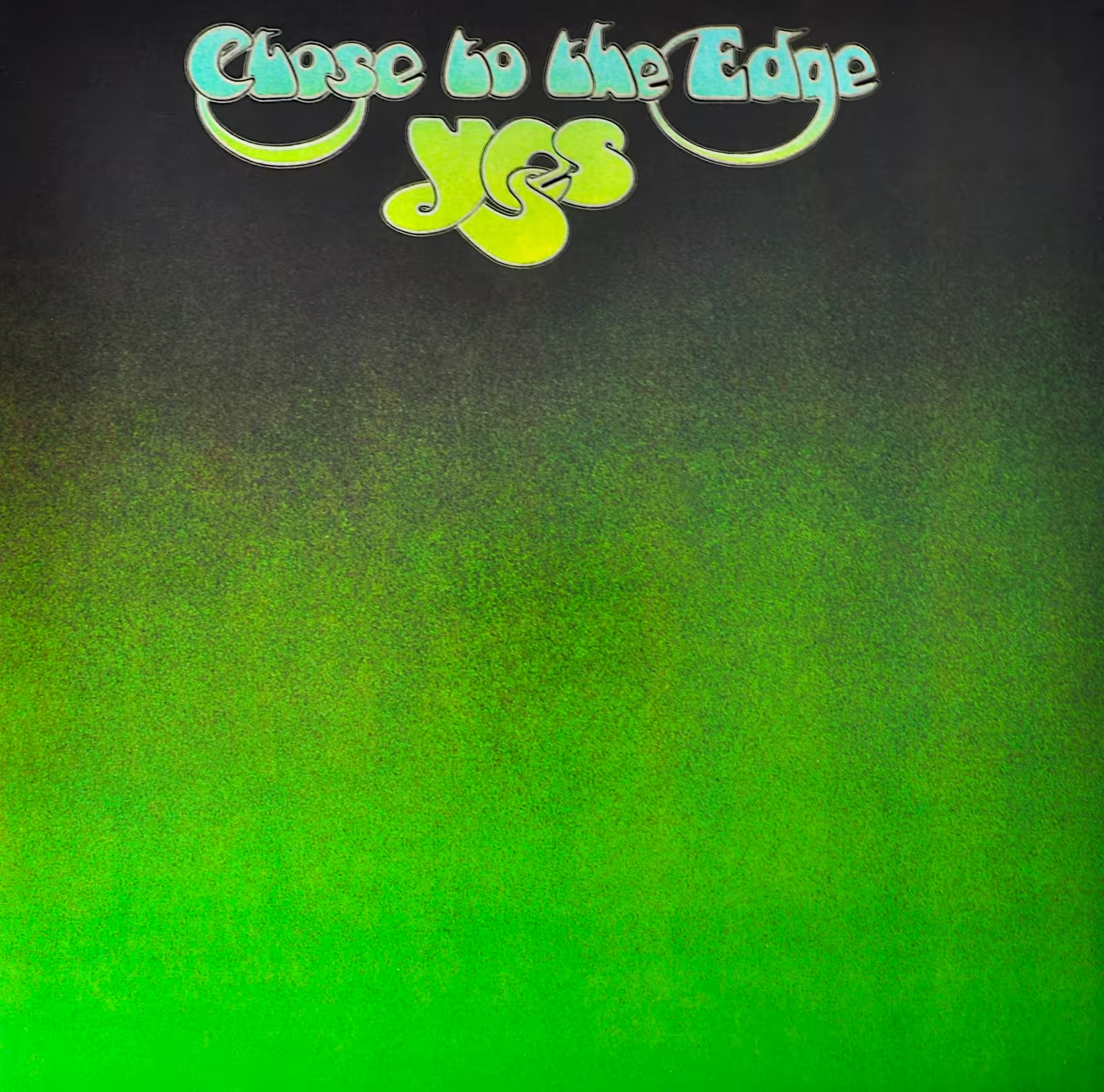
Yes
„Close To The Edge“
Progressive Rock.
• LP, Black Vinyl 2012 (1972)
• Reissue, 180gr
• Atlantic Records
• 8122797157
• new
"Close to the Edge" was released in 1972 by Atlantic Records and is the fifth album by the British prog-rock band Yes. The album was profitable at the time, but critical acclaim was mixed. Today, "Close to the Edge" is considered Yes's artistic pinnacle and a seminal work for early 1970s prog-rock. It ranks fifth among the 50 greatest prog albums.
Some say that every prog fan needs this album in their collection. I don't subscribe to that rule, though. And sometimes that's a mistake.
Despite all their contributions to prog, Yes, like Gentle Giant and King Crimson, unwittingly helped dig its first grave. Yes later introduced characteristics into prog that made it overloaded and self-referential. Prog became too cerebral, with constant lineup changes, too many flourishes, world music influences, vain instrumental tinkering, and, worst of all, free jazz. Some people like that. I don't. Prog wasn't just musically overloaded; it also came under additional pressure, particularly due to the changing musical culture of the 1970s.
I was only vaguely aware of Yes in the past and didn't discover "Close To The Edge" until much later. That's why I'm reviewing the 180g reissue from 2012. A beautiful record that contains everything that makes prog rock what it is. Even in melodic neo-prog, we can still discover elements of Yes. IQ demonstrate this, for example, on their album "The Road Of Bones," where the complexity doesn't overshadow the strong melodic aspects.

Another album that professors have written treatises on. What more can a mere prog-head like me say? Its structure reminds me of a sonata, but since it's loosely based on Hermann Hesse's Siddhartha, the ending doesn't echo the tone of the beginning. The journey is the destination.
Actually, I can only describe what I like so much about Prog in this album. Breaking down conventions in music while at the same time returning to classical forms of composition. Distinctive keyboard passages, tricky guitar playing, interesting bass lines, skillful drums, use of instruments from a different genre (e.g. sitar), polyphonic singing, breaks in the beat, long pieces, in concept albums there are no breaks between tracks, but rather smooth transitions. Have I forgotten something? Most certainly! The contrast between virtuosity, music and singing works here. Something that other prog bands fail at works for me here. The first track “Close To The Edge” makes this particularly clear to me.
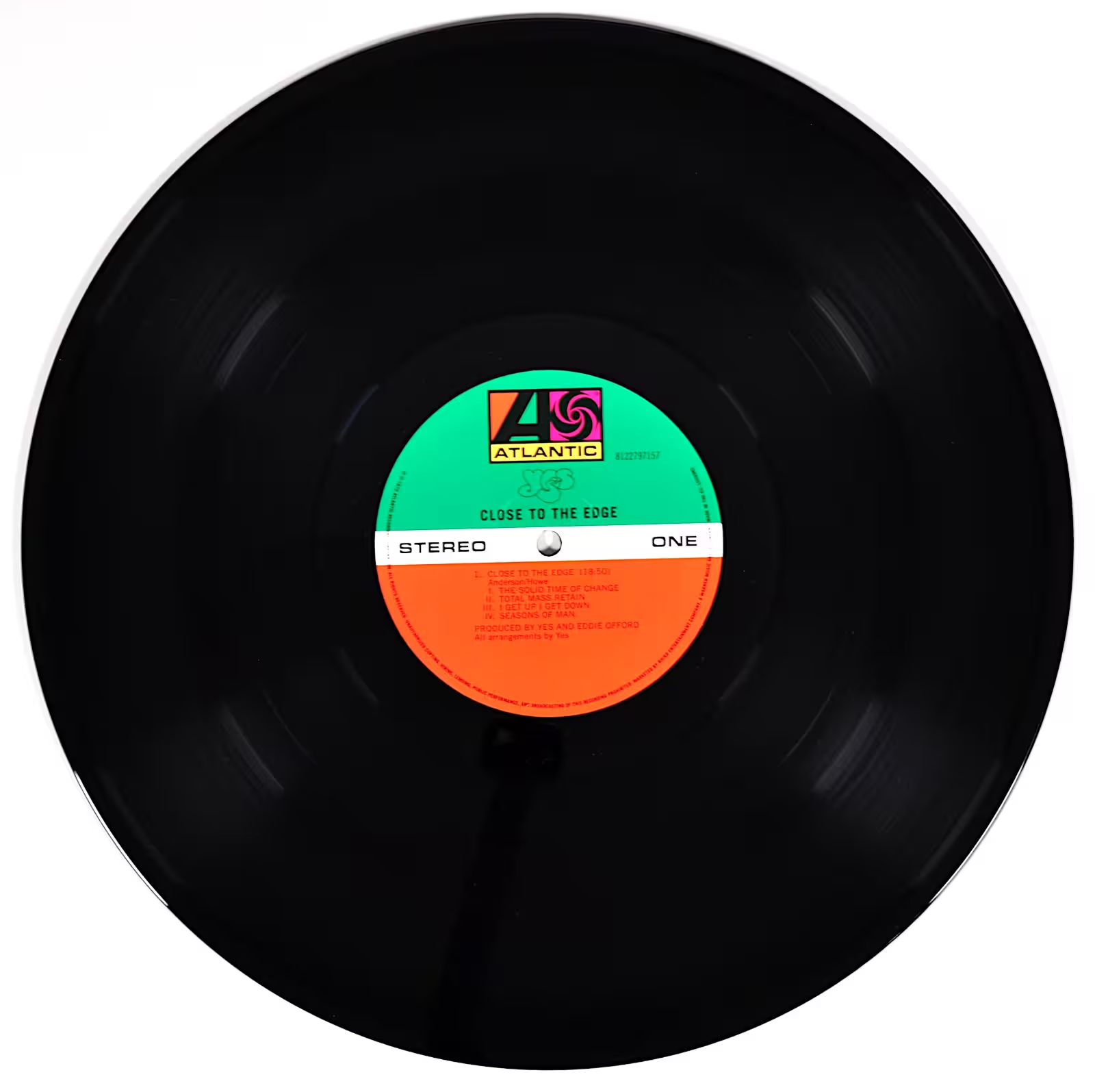
The album consists of three songs. "Close To The Edge," at 18 minutes, occupies the entire first side, but is divided into five sub-sections. It begins with nature sounds and transitions into typical prog-rock intricacies. This gradually gives way to more melodic sections and Jon Anderson's pleasant vocals. This contrast between instrumental virtuosity, melodic passages, and vocals distinguishes this work from other prog albums; there's always something new to discover, ensuring it never becomes boring.
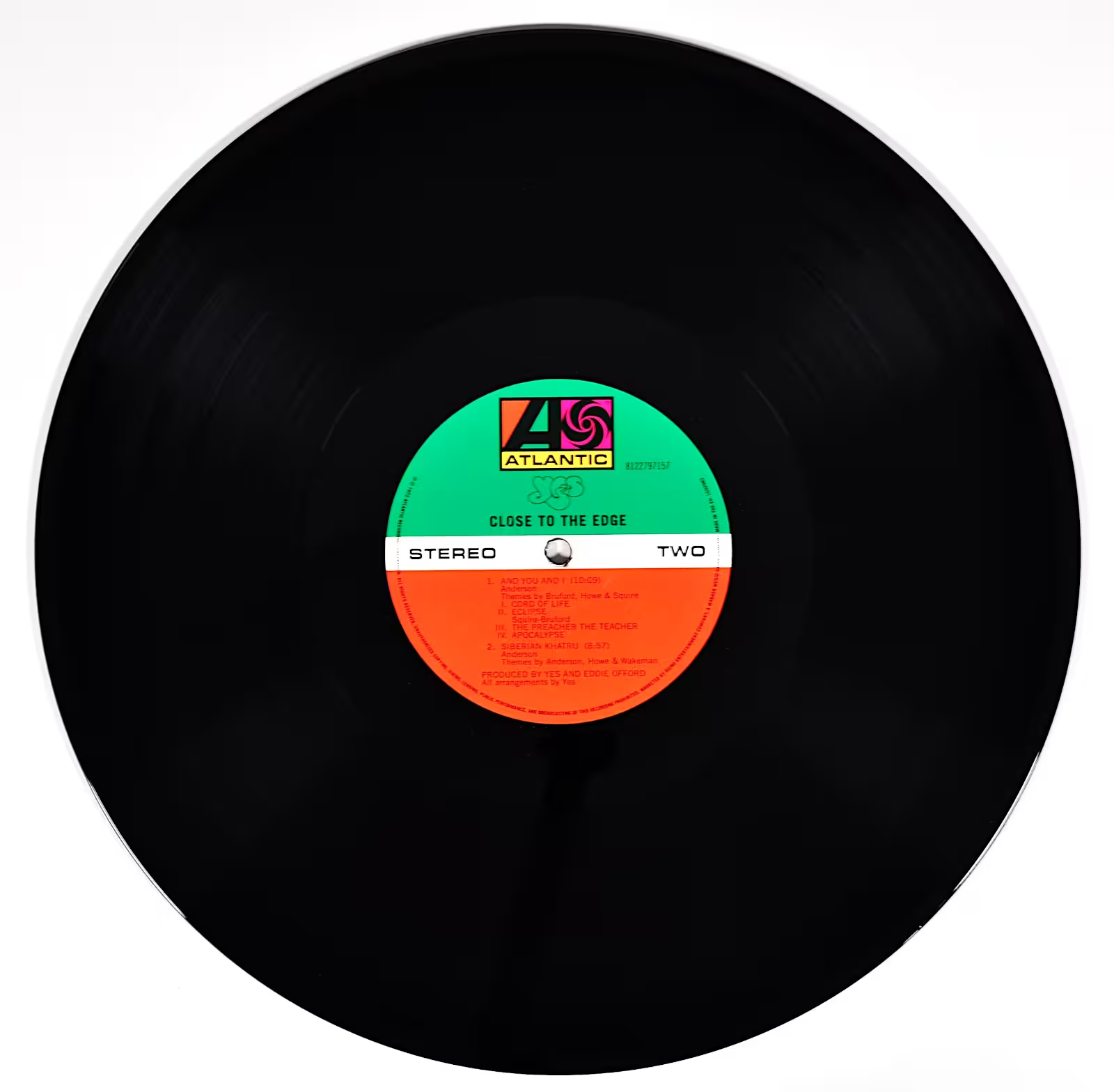
Side B begins with the 10-minute "And You And I" (divided into four parts), a completely different experience: acoustic, quiet, and very melodic with beautiful, symphonic melodic arcs. Some of the vocal passages by the band IQ remind me of Yes. It's simply a beautiful prog song. And that's another thing I love about prog: the anticipation of the parts of the track that you particularly enjoy. "Siberian Khatru" then brings back the rock influence. Some of the melodies are reminiscent of American crime series from the 70s. Here, the mix of breaks, melody, and subtle technical flourishes works perfectly. With this album and its complexity, Yes manages to create something substantial. From today's perspective, however, the production lacks transparency, which would have benefited the complexity. In some parts of the album, you can sense that many small snippets have been strung together. As a result, the composition doesn't feel as organic to me as the album deserves.
Conclusion
A role model not only for 70s prog, but also for prog today. Criticism? I've ignored this album for too long.
This vinyl version (which has no disturbing noises) also lies cleanly and flat on the platter.
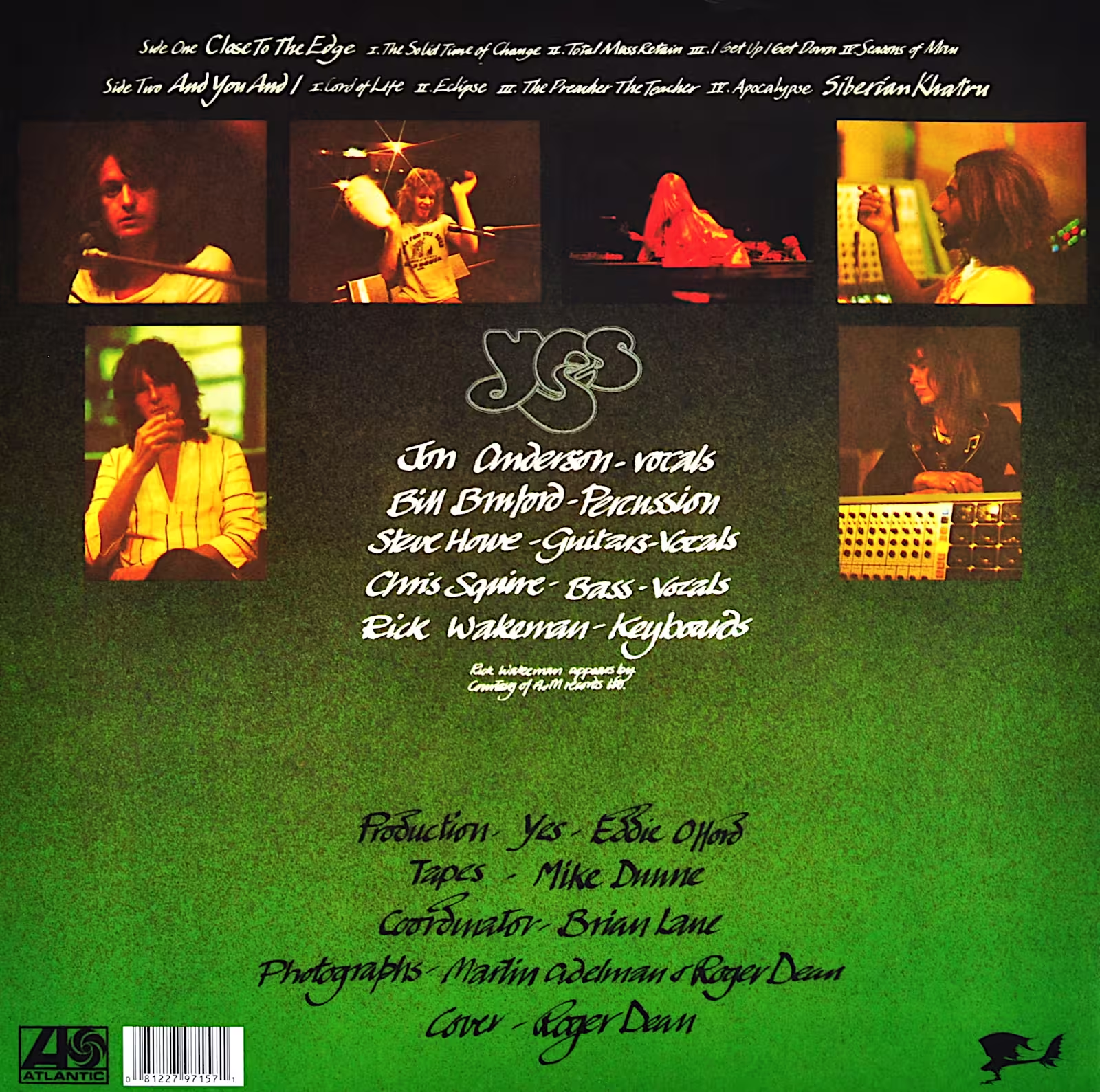
Die Credits spare ich mir jetzt, denn sie stehen alle auf der Rückseite des Albums.
The photos are all from my LP. The rights to all designs, logos, texts and fonts that can be seen in the photos are of course owned by the copyright holder.
TheProgthief
©05.September.2026
Mk 2
